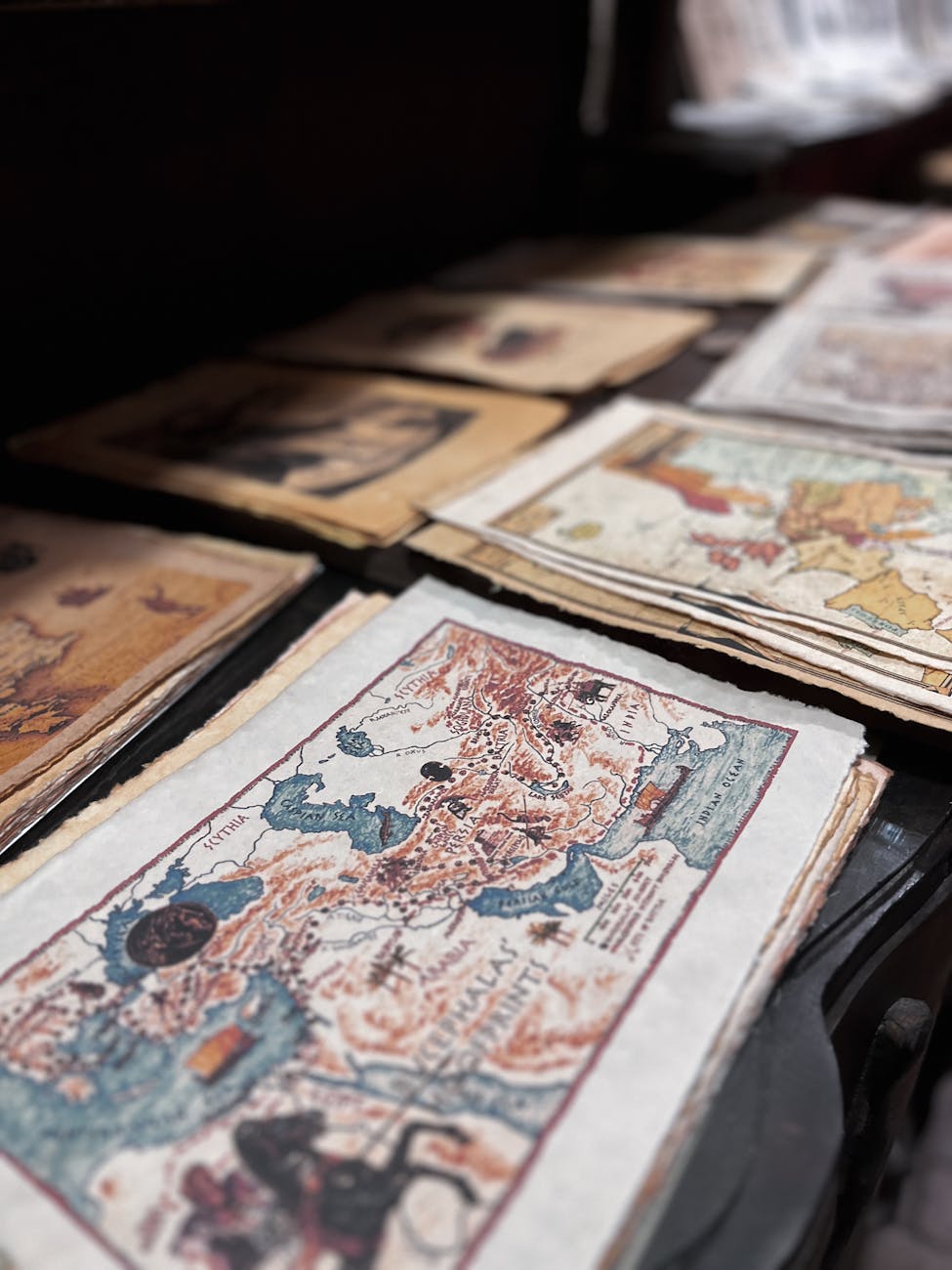
The history of maps is essential part of the study of the history of exploration. This article from the University of North Carolina at Chapel Hill provides a great introduction to the subject. link to Maps of Exploration and Settlement
Tag: Renaissance
Article: From alchemy to astronomy: Practitioners of science and magic in Renaissance Europe
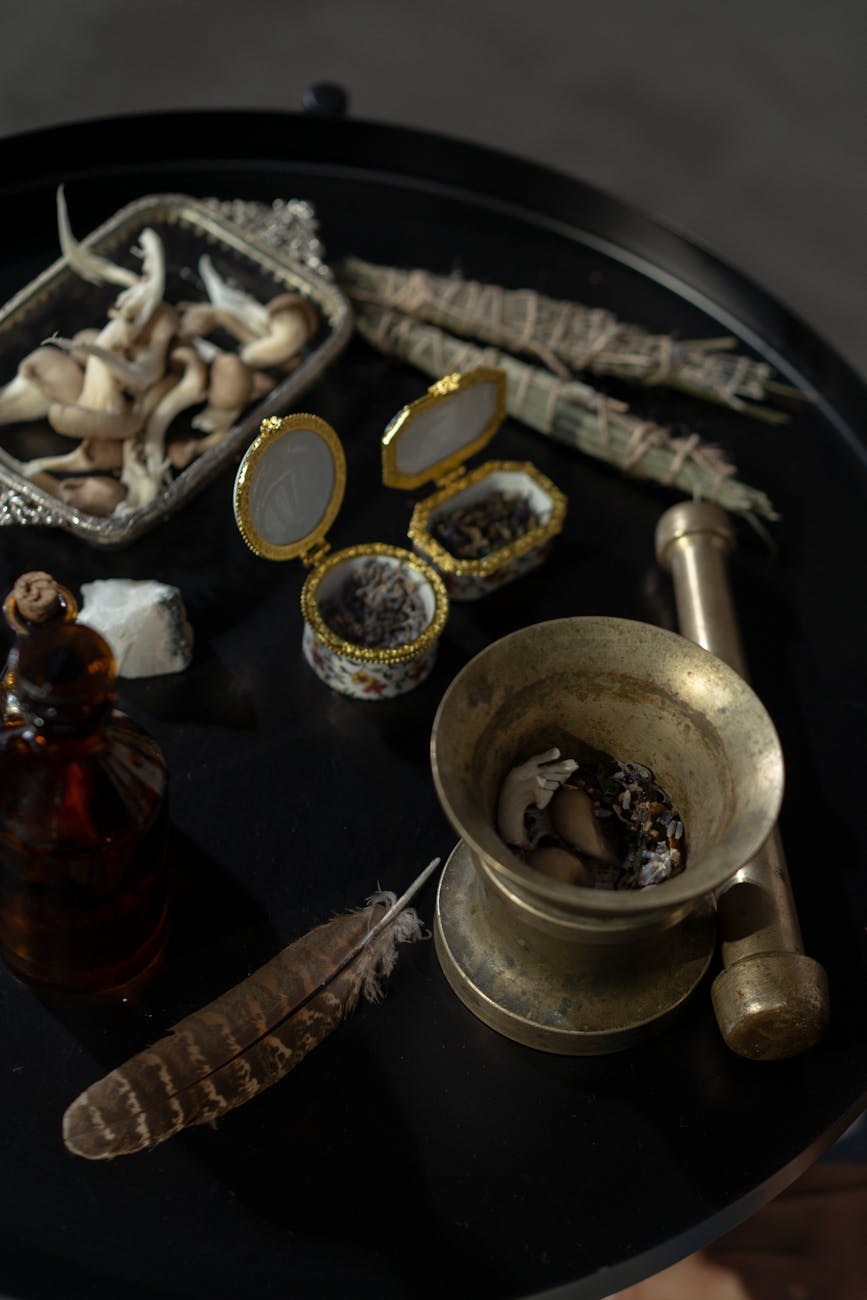
It is a modern falacy that magic and science cannot coexist. In fact, many of the branches of science can trace their origins to the magical arts. This blog post from the Science Museum Group discusses the Renaissance connections between these two fields. link to From alchemy to astronomy: Practitioners of science and magic in… Continue reading Article: From alchemy to astronomy: Practitioners of science and magic in Renaissance Europe
Website: Italian Renaissance Learning Resources
The Italian Renaissance may well be the most significant art movement of all time. This website, put together in conjunction with Oxford University Press and the National Gallery of Art (in Britain) details the movement in a number of informative modules. link to Italian Renaissance Learning Resources
Article: Magic in Humanist Florence:
Website: Art in Context
Website: Folger Shakespeare Library
Article: Renaissance theatre
Video: Drawing in Silverpoint-Almost Lost Secrets of the Old Masters
Metalpoint in general (and silverpoint in particular) is a very old technique that many people just don't bother with today. That doesn't mean that it is not capable of some amazing affects, however. In this video, DrawingAcademy.com details silverpoint techniques and materials. For my students, I use parts of this video in class; but because… Continue reading Video: Drawing in Silverpoint-Almost Lost Secrets of the Old Masters
Article: Can Robots Replace Michelangelo?
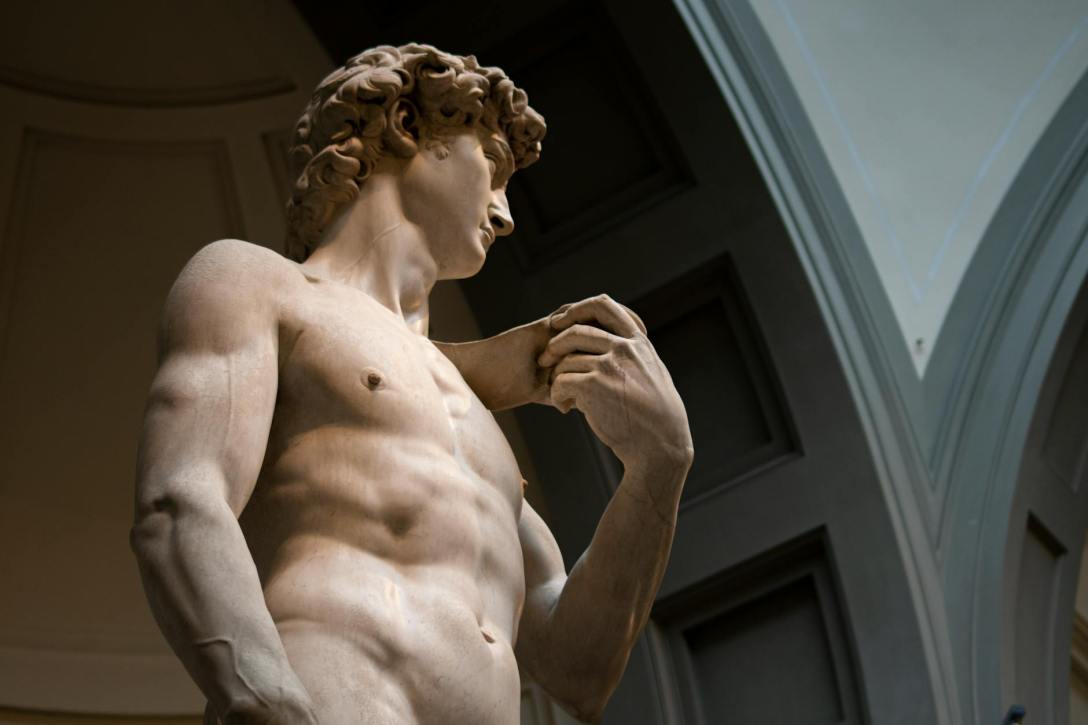
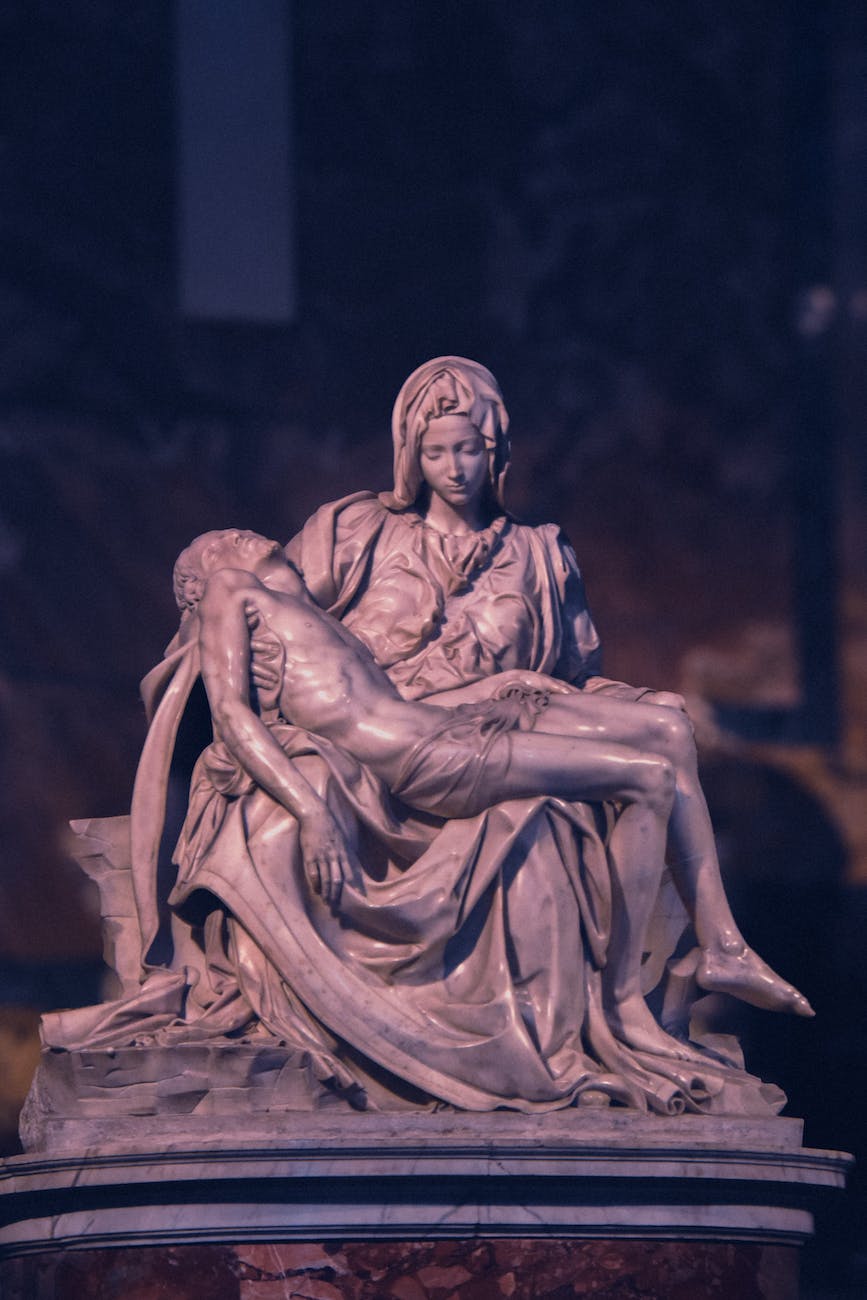
The place of technology within the art world can be controversial, and this article from Smithsonian addresses that. Specifically, this article deals with whether or not robots should be used to create sculpture, and whether or not great artists, such as Michelangelo, would have used this particular artistic tool. link to Can Robots Replace Michelangelo?
Article: The Lost Medieval Sword Fighting Techiniqes No One Can Decode
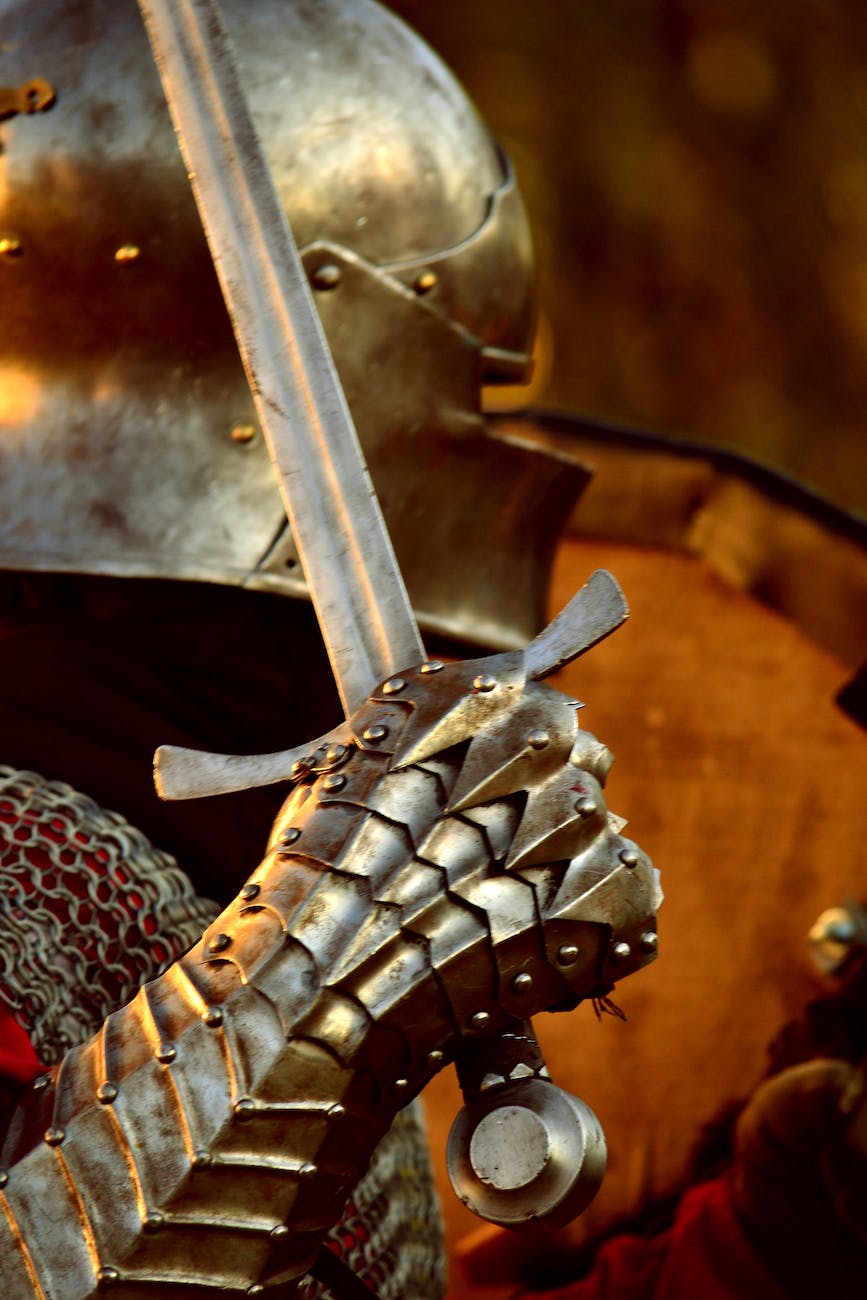
Even when we have documentation of the past, it can still be hard to figure out what actually happened. In this article from the BBC, the author discusses the particular issues that surround attempts to understand how European Medieval and Renaissance knights fought. In this case, there is a lot of documentation--more than 80 surviving… Continue reading Article: The Lost Medieval Sword Fighting Techiniqes No One Can Decode
Article: Oldest tartan found to date back to 16th Century
The tartan (plaid cloth generally associated with Scottish clans) is an important part of Scottish history. According to the BBC, an example--potentially from the 16th Century--has been found in a peat bog in Scotland. Although the cloth looks plain, researchers have been able to use scientific analysis to determine it's original colorful nature. This discovery… Continue reading Article: Oldest tartan found to date back to 16th Century
Article: The Mysterious 1561 Nuremberg Event ‘UFO Battle’
People have long studied the sky, and sometimes they are surprised and confused by what they say. The Medieval and Renaissance worlds are no exception to this. This article details several well documented incidents involving flying objects that have not been identified. link to The Mysterious 1561 Nuremberg Event ‘UFO Battle’
Article: Italian Renaissance Art: Tempera Painting
Even though it's not as famous as oil paint, tempera paint was a very popular medium in the Italian Renaissance. Traditionally made by combining egg with pigment, tempera is a bit more forgiving than watercolor, but much more delicate than oils. For this reason, it has been the medium of chose for many artistic masters… Continue reading Article: Italian Renaissance Art: Tempera Painting
Article: The Kraken: when myth encounters science
Are sea monsters real? Can someone "release the Kraken"? History and literature are filled with a myriad of stories about deadly beasts that sink ships and eat people. This article presents a theory that may explain as least some of the (less deadly and dangerous) stories. link to The Kraken: when myth encounters science
Website: Lost Plays Database
Did you know that humanity has lost much of our literature through history? The Lost Plays Database discusses the dramatic losses from English theater in the Renaissance (specifically 1570-1642). It's a solid research tool and a source of a lot of interesting information on the plays that have been lost from that period. link to… Continue reading Website: Lost Plays Database