Article: A.I. ‘Completes’ Keith Haring’s Intentionally Unfinished Painting

Some works of art are meant to remain unfinished. Such was the intent behind Keith Haring's Unfinished Painting (1989). The artists intended it's unfinished nature to be a statement on the AIDS epidemic, but now someone has used AI to finish it. Is this unethical and disrespectful of the artist? This article from Smithsonian Magazine… Continue reading Article: A.I. ‘Completes’ Keith Haring’s Intentionally Unfinished Painting

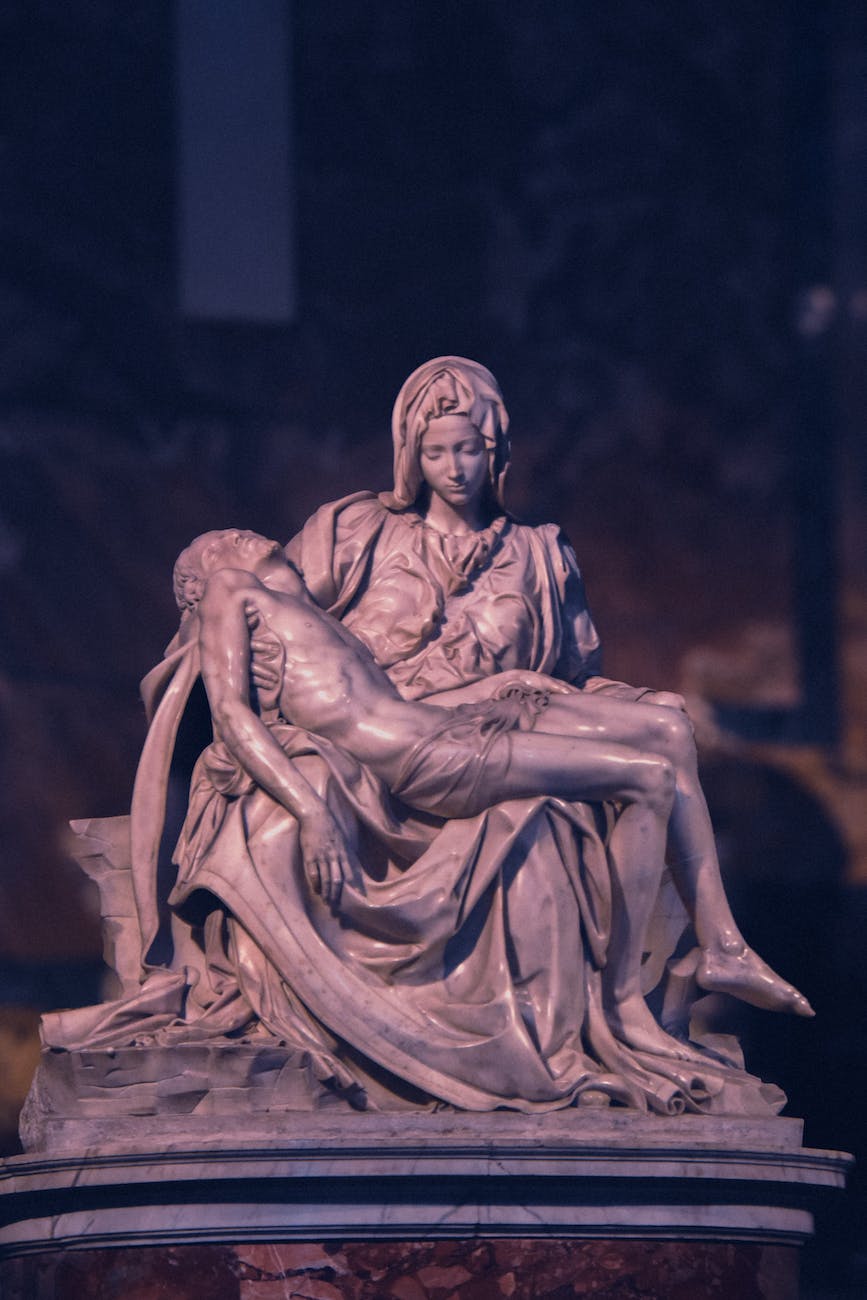
Article: Can Robots Replace Michelangelo?

The place of technology within the art world can be controversial, and this article from Smithsonian addresses that. Specifically, this article deals with whether or not robots should be used to create sculpture, and whether or not great artists, such as Michelangelo, would have used this particular artistic tool. link to Can Robots Replace Michelangelo?

Article: Court Rules Against Returning Nazi-Looted Pissarro Painting to Jewish Family

One of the unfotunate realities of contemporary art history is the terrible toll that Nazi Germany and World War II took on Jewish artists and art owners. So, many people were killed, and so many lives were irreperably changed. As part of their reign of terror, the Nazis stole art from many families (often killing them in… Continue reading Article: Court Rules Against Returning Nazi-Looted Pissarro Painting to Jewish Family

Article: What Did the Ancient Romans Smell Like?

Archeologists are dedicated to digging out details about the past, and what they find can often be surprising. Occasionally, archeology can even tell us what historical people or historical places smelled like. In this article from Smithsonian Magazine, the author discusses the implications of finding an ancient bottle of Roman perfume. link to What Did the Ancient… Continue reading Article: What Did the Ancient Romans Smell Like?

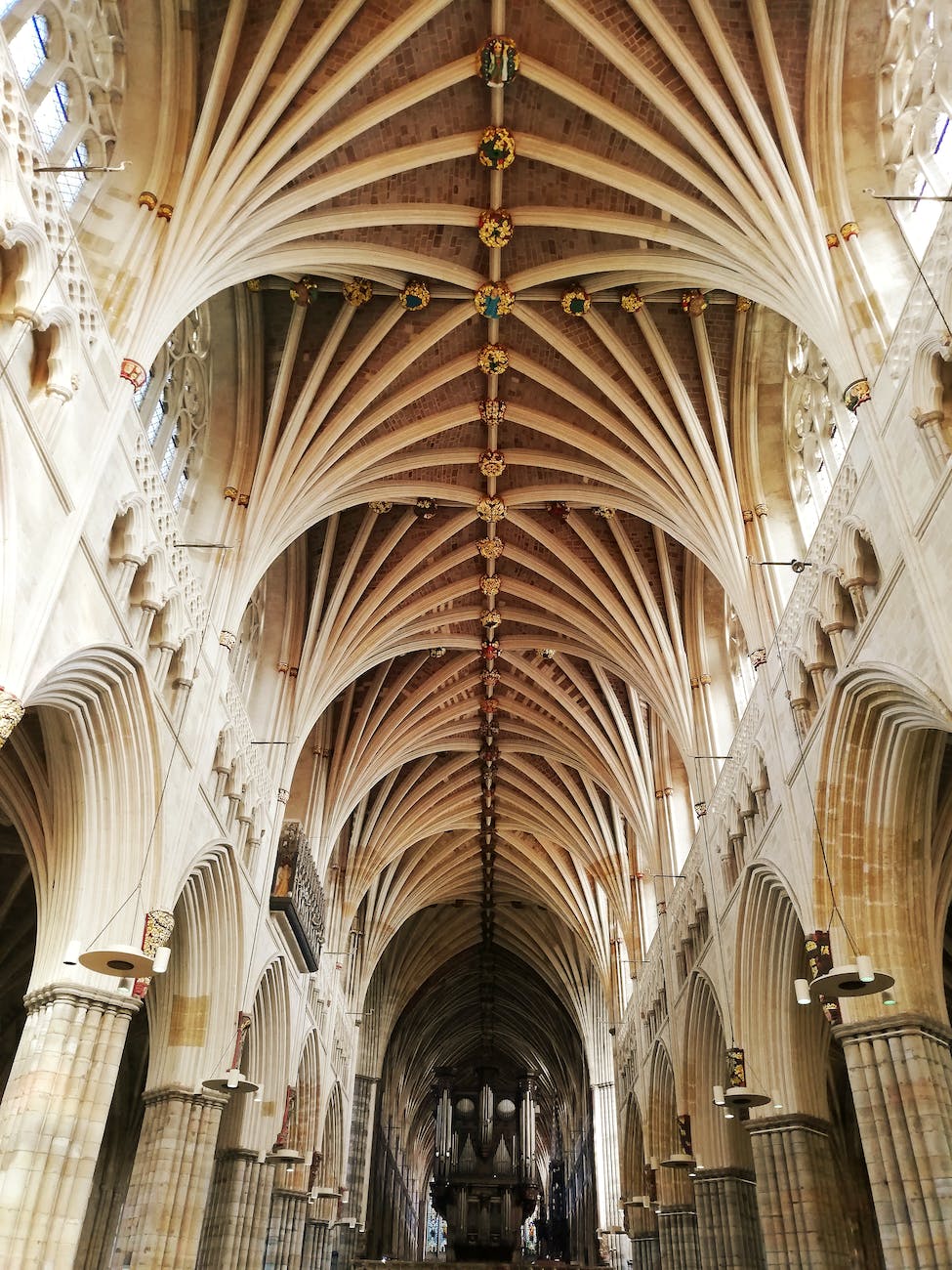
Article: Archaeologists Discover 900-Year-Old English Cathedral’s Hidden Medieval Crypt

The Middle Ages may be long over, but that doesn't mean we aren't still discovering new things about that period. In this article from Smithsonian Magazine, the author explains new discoveries about both the Middle Ages and Ancien Rome that have been made during excavations at Exeter Cathedral in England. link to Archaeologists Discover 900-Year-Old English… Continue reading Article: Archaeologists Discover 900-Year-Old English Cathedral’s Hidden Medieval Crypt

Article: U.K. Museum Recovers 15th-Century Altar Panel Almost 50 Years After It Was Stolen

Art theft is a serious problem, and many stolen treasures are lost forever (either sold to disreputable private collectors or destroyed). However, this article details an exception--a museum that was able to recover a stolen altarpiece. link to U.K. Museum Recovers 15th-Century Altar Panel Almost 50 Years After It Was Stolen

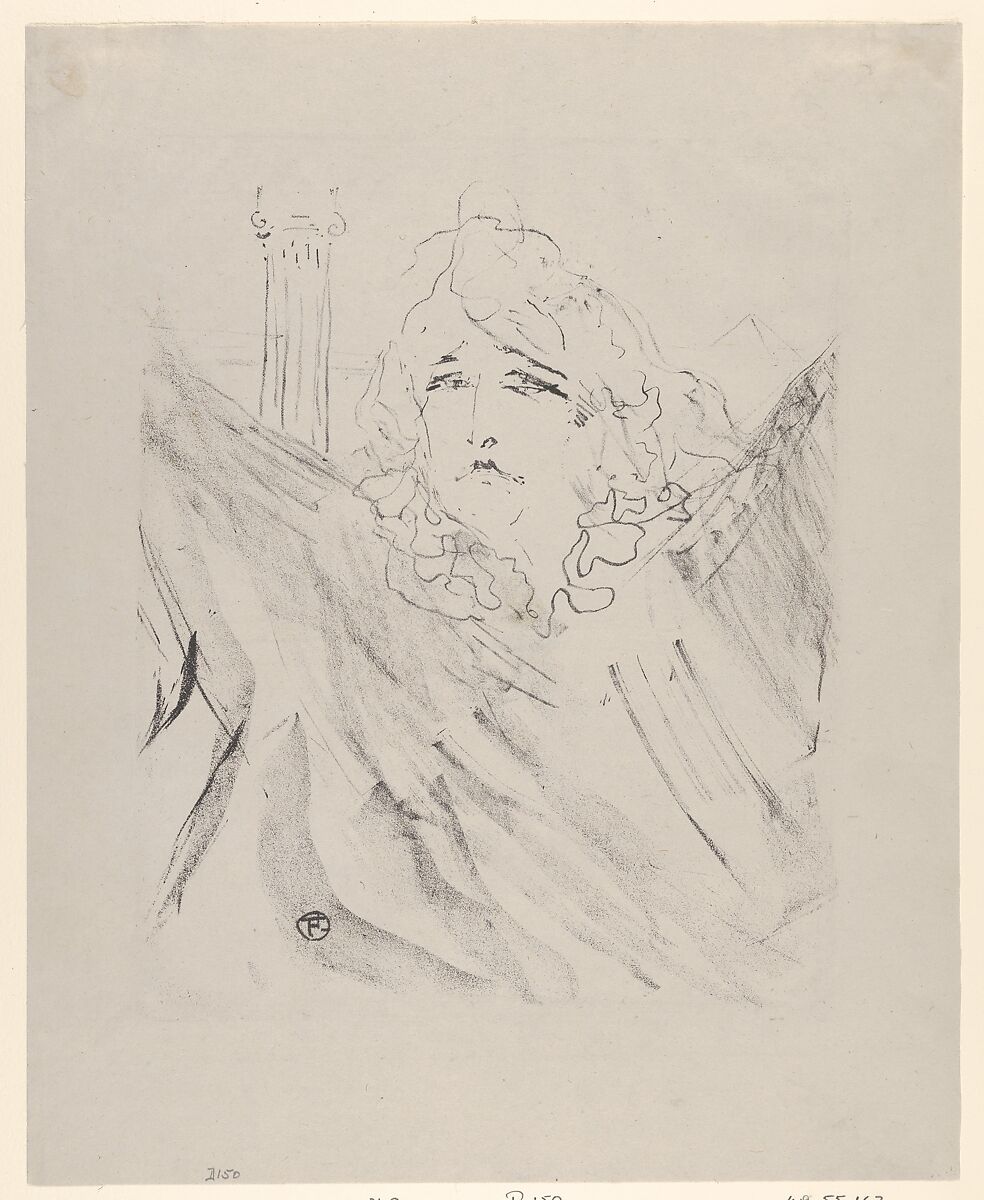
Article: Why Actress Sarah Bernhardt Was the First Modern Celebrity

Toulouse-Lautrec, Henri de-Sarah Bernhardt, 1898

Concepts of celebrity and fame have been around for a long time. One of the early film stars, Sarah Bernhardt, embraced and celebrated her fame. She was an active participant in the creation of her reputation; and, as detailed in this article from Smithsonian Magazine, in doing so she became one of the first modern… Continue reading Article: Why Actress Sarah Bernhardt Was the First Modern Celebrity

Article: Arsenic and Old Tastes Made Victorian Wallpaper Deadly

decorative image

Home decorating can be dangerous--at least if you are a Victorian that likes green. Apparently, green wallpaper was popular in the 19th Century, and it was made with arsenic. This toxic combination may have been deadly, as this article from Smithsonian Magazine details; and it may also have inspired the creation of the disturbing classic… Continue reading Article: Arsenic and Old Tastes Made Victorian Wallpaper Deadly

Article: Take a Virtual Tour of the ‘Doomsday’ Seed Vault

decorative image

Seeds are potential. Environmental changes and disasters can endanger that potential, so many countries and regions have come together to try to protect that part of their heritage by creating seed banks. This article from Smithsonian Magazine showcases the greatest of these seed banks and the precious resources it protects. link to Take a Virtual… Continue reading Article: Take a Virtual Tour of the ‘Doomsday’ Seed Vault

Article: Rarely Seen Paintings by J.R.R. Tolkien Portray a Lusch ‘Lord of the Rings’ Landscape

decorative image

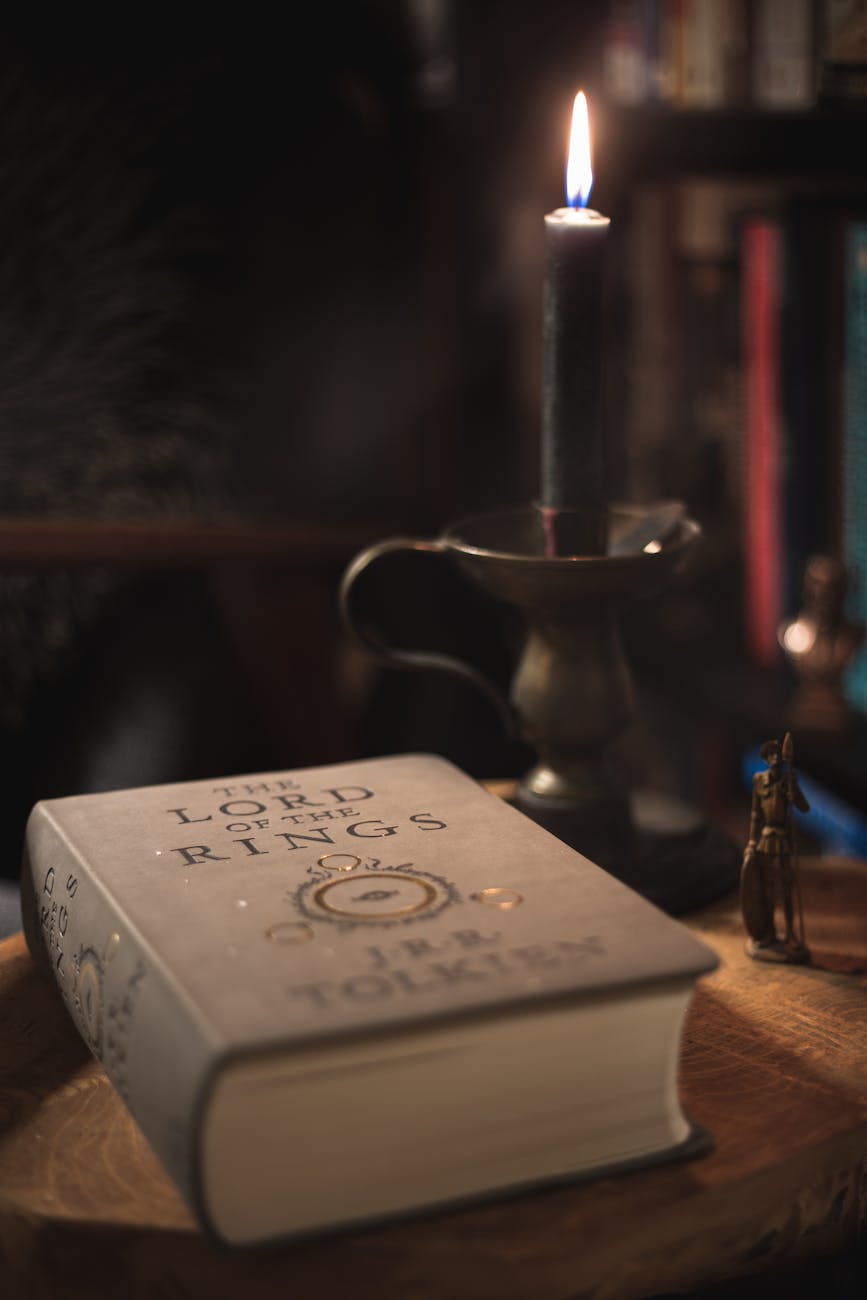
J.R.R. Tolkien was a brilliant author (and important contributer to the Oxford English Dictionary), but did you know he was also an artist? This article from the Smithsonian Magazine showcases some of the art he created for The Lord of the Rings. It's always interesting when an author is also an artist because it allows… Continue reading Article: Rarely Seen Paintings by J.R.R. Tolkien Portray a Lusch ‘Lord of the Rings’ Landscape

Article: “Self Healing” Concrete May Have Preserved Ancient Roman Structures

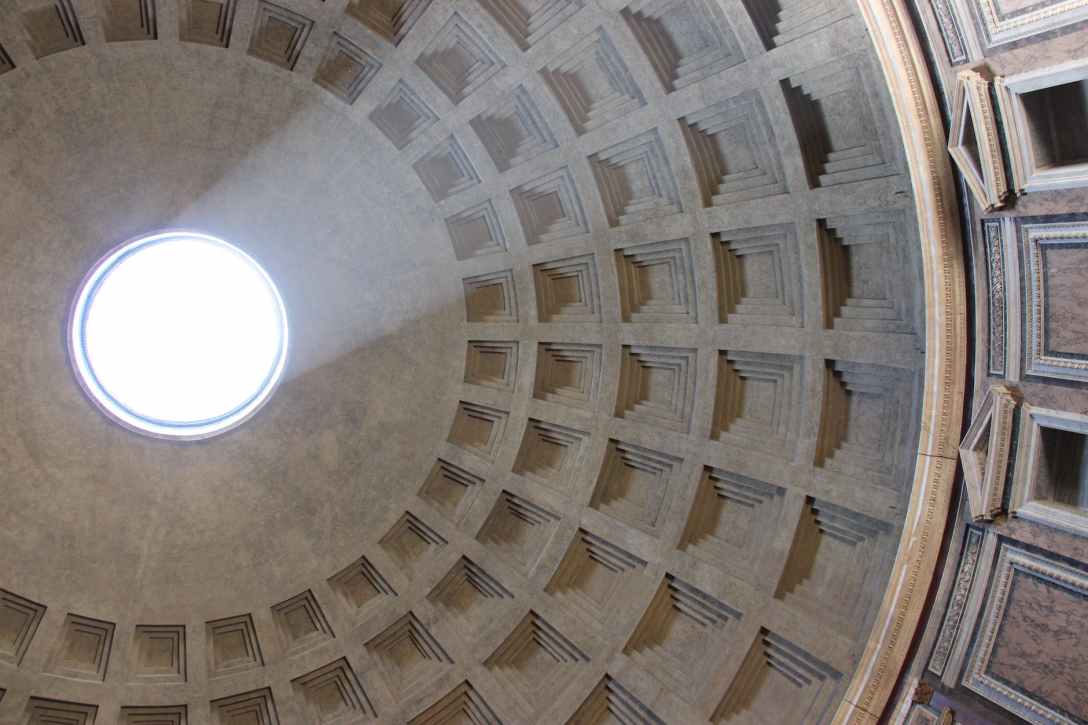
Do you ever wonder how ancient Roman concrete buildings still look amazing, while our concrete sidewalks quickly crack? If so, then this article will help answer your questions. The Smithsonian talks about the innovations the Romans included that has allowed a number of their concrete structures to survive through to today. link to "Self Healing"… Continue reading Article: “Self Healing” Concrete May Have Preserved Ancient Roman Structures

Article: After 25 Years at Sea, Shipwrecked Lego Pieces Are Still Washing Ashore on Beaches in England

When you think of Legos shipwrecks and environmental disasters are probably not the first thing that comes to mind. However, that's what this article is about. Apparently, a shipwreck a couple of decades ago dropped 5 million Legos (amongst other things) into the sea off of the coast of England in what has come to… Continue reading Article: After 25 Years at Sea, Shipwrecked Lego Pieces Are Still Washing Ashore on Beaches in England

Article: The True Story of the Monuments Men

Time can be unkind to art, and this was particularly apparent during World War II. Many amazing (and culturally significant) works of art were destroyed in a conflict that leveled cities and destroyed countless lives. Additionally, beyond horrific human cost, World War II was the largest art heist the world has ever seen. Although it… Continue reading Article: The True Story of the Monuments Men